Accountant

Order From Complexity
Transferable Financial Skillset
Long-Term Career Security
Undergraduate

Graduate
Master's in Accounting (Not Necessary for CPA Licensure)
Post-Graduate
This is the educational pathway. There may be additional tests or licensure requirements necessary before begining to practice in the field. Consult your state guidelines for more. information.
Popular Titles
Core Areas of Impact
Is this career right for you?
What is the role of an accountant?
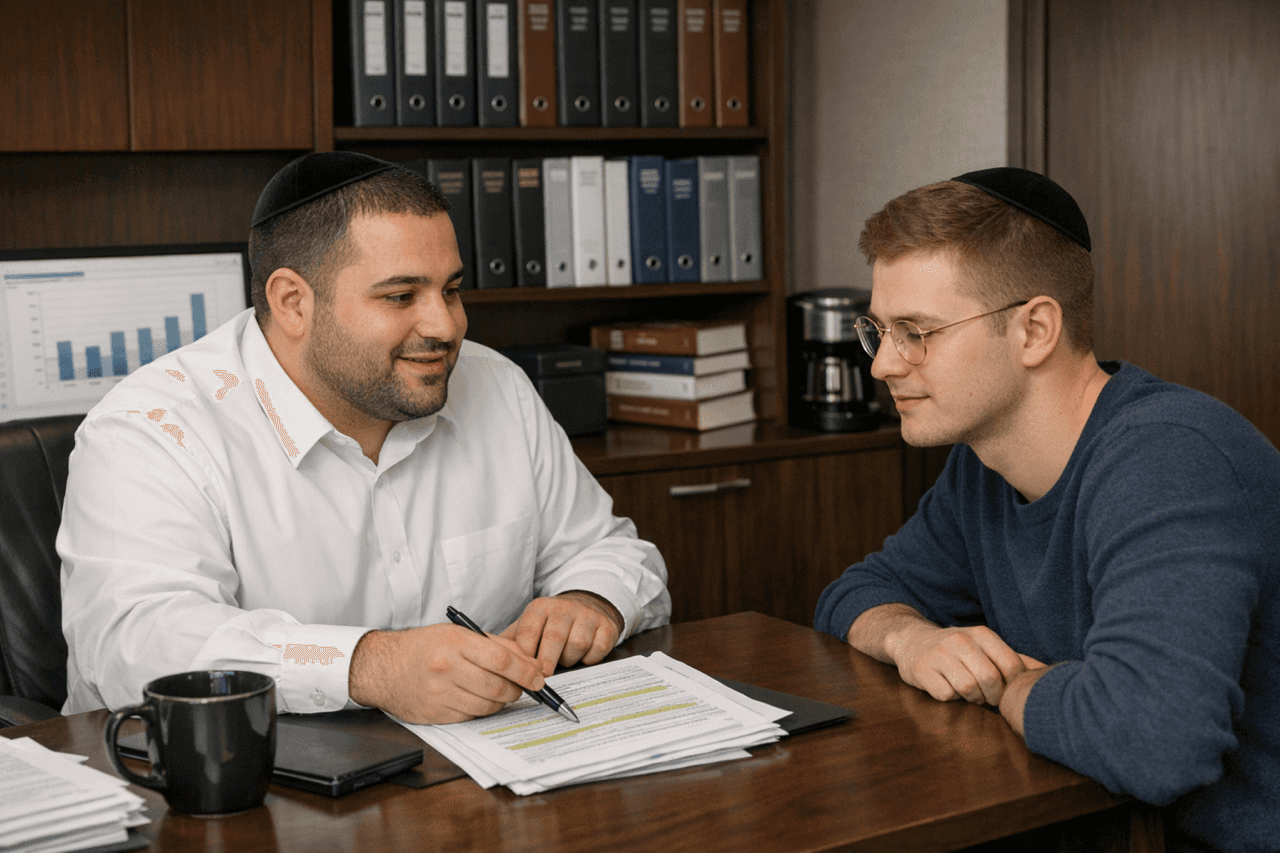
An accountant is a financial professional responsible for recording, organizing, analyzing, and verifying financial information to ensure accuracy, compliance, and informed decision-making for individuals or organizations.
What does a typical day look like?
A typical day includes reviewing financial transactions, reconciling accounts, preparing reports, ensuring compliance with tax and regulatory requirements, and communicating with internal teams or clients about financial data.
Where do accountants work?
Accountants work in corporations, public accounting firms, nonprofit organizations, government agencies, financial institutions, and small businesses. Many also operate private practices or work remotely.
What are the common job titles and career paths?
Common titles include Staff Accountant, Corporate Accountant, Tax Accountant, Audit Associate, Senior Accountant, Accounting Manager, Controller, and Chief Financial Officer. Career paths often progress from transactional roles to oversight, management, and strategic leadership.
Who is this career a good fit for?
This career fits individuals who are detail-oriented, comfortable working with structured systems, able to follow regulations precisely, and interested in understanding how money moves through organizations.
What are the biggest rewards of this career?
Key rewards include consistent employment demand, clear performance expectations, transferable skills across industries, and professional credibility tied to accuracy and reliability.
What does long-term growth look like?
Long-term growth includes advancement into senior accounting, management, or executive roles, specialization in tax or audit, increased earning potential, and opportunities for leadership or independent practice.
What education does this career require?
A bachelor’s degree in accounting is sufficient for most accounting roles, and a master’s degree is not required to enter or advance in the field. Standard coursework includes financial accounting, managerial accounting, taxation, and auditing.
To sit for the Certified Public Accountant exam, candidates must complete additional college credits beyond the bachelor’s degree, as required by state boards. Sara Schenirer’s accounting program fulfills the academic credit requirements needed to be eligible to sit for the CPA exam, allowing graduates to pursue licensure without obtaining a separate graduate degree.